
Damaraland, Namibia
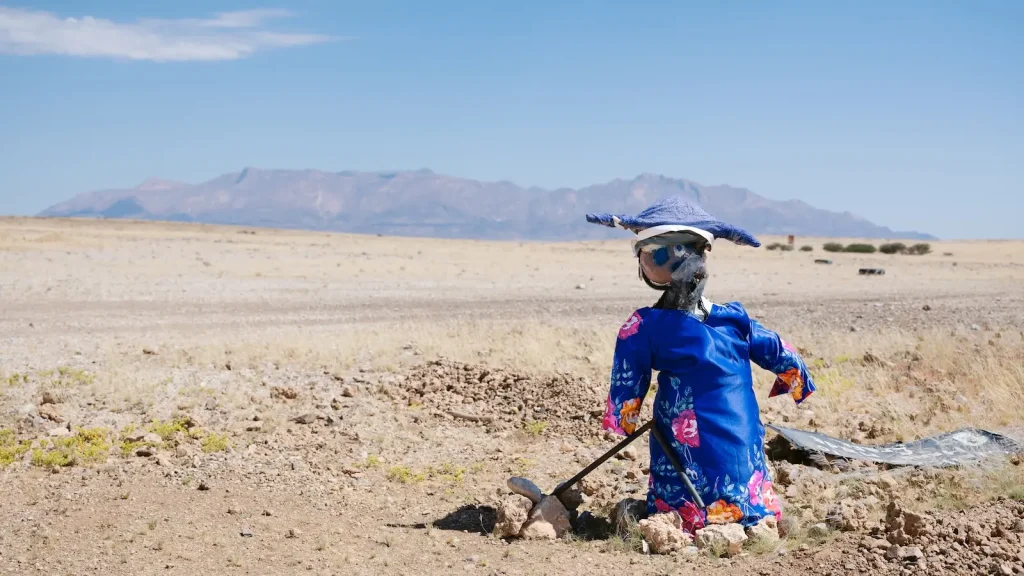
There are places in Africa that feel genuinely untouched, where the silence is so complete you can hear your own heartbeat, where the landscape hasn’t changed in a million years, and where wildlife exists on its own terms. Damaraland is one of those places.
Stretching across north-western Namibia between the Skeleton Coast and the arid interior, Damaraland is a land of ancient volcanoes, fossilised forests, UNESCO-listed rock art, and desert-adapted wildlife found nowhere else on Earth. It is, by almost any measure, one of Africa’s most extraordinary destinations, and one of its most undervisited.
At Mat-Travel, Damaraland is close to our hearts. Our team grew up here. We’ve tracked black rhino on foot at dawn, watched desert elephant herds move silently down white sand riverbeds at dusk, and sat around fires on the Etendeka Plateau with a sky full of stars overhead. We know this region intimately, and we’ve built this guide to share everything you need to know.
What Makes Damaraland Different?
Most visitors come to Namibia for Etosha or Sossusvlei. Damaraland draws a different kind of traveller, one who wants something rawer, more remote, and more meaningful.
It’s not a national park. Damaraland’s wildlife roams freely across a mosaic of community conservancies, private concessions, and unfenced wilderness. There are no boom gates, no circuits, no crowds. You might encounter a herd of desert-adapted elephants on a dry riverbed with no other vehicle in sight.
The wildlife is extraordinary, and unlikely. The desert-adapted elephant, black rhino, and desert lion that survive here have evolved behaviourally and physiologically to cope with conditions that would kill their savanna counterparts. Tracking them feels genuinely wild.
The conservation story is one of the world’s best. Namibia’s community conservancy model, pioneered in Damaraland in the 1990s, is widely regarded as the most successful community-led wildlife recovery in Africa. When you stay here, your money funds that story directly.
The landscapes are geological wonders. From the UNESCO-listed rock engravings at Twyfelfontein to the basalt columns of the Organ Pipes, the fossilised Gondwana-era trees of the Petrified Forest, and the remote immensity of Messum Crater: Damaraland is layered with geological drama at every turn.
Wildlife & Conservation
Damaraland’s wildlife is unlike anything you’ll encounter in a conventional safari park. These animals have adapted to survive on almost nothing, ranging vast distances, digging for water in dry riverbeds, and moving at night to conserve energy.
Black Rhino
The Palmwag Concession and surrounding areas are home to the world’s largest free-roaming population of desert-adapted black rhino, around 200 individuals. Tracking them on foot with Save the Rhino Trust rangers is one of Africa’s most visceral wildlife experiences. Read our full profile of Save the Rhino Trust to understand the extraordinary recovery story behind these numbers.
Desert Elephant
The desert-adapted elephants of the Huab River are genetically distinct from their savanna counterparts, longer legs, larger feet, and behaviours refined over generations to cope with extreme aridity. Herds move along the Huab, Aba-Huab, and Hoanib riverbeds, and encountering them, often with no other visitors present, is an experience that stays with you.
Desert Lion
Desert lion occupy vast home ranges across the Palmwag Concession and into the Hoanib watershed. Sightings are rare and never guaranteed, which makes them all the more extraordinary when they happen. Read our guide for realistic expectations and the best way to encounter them.
More to Discover
Damaraland’s wildlife extends well beyond its headline species. Our guide to Damaraland’s wildlife reframes the “Big Five” concept entirely, and the region’s nocturnal species (brown hyena, aardwolf, bat-eared fox) are a revelation on night drives. Hartmann’s mountain zebra patrol the Etendeka Plateau, and dedicated birdwatchers will find a remarkable collection of endemics and near-endemics.
Landscapes & Geological Wonders
Twyfelfontein
The centrepiece of any Damaraland itinerary, Twyfelfontein is a UNESCO World Heritage Site containing over 2,500 San rock engravings, the largest concentration in Africa. Depictions of lion, rhino, elephant, and giraffe cover sandstone outcrops in a sun-baked valley. Combine your visit with the nearby Organ Pipes and Burnt Mountain for a memorable half-day loop.
Brandberg Mountain
Namibia’s highest peak rises dramatically from the surrounding plains, its granite faces turning deep crimson at sunset. Inside the Tsisab Gorge, the famous White Lady rock painting, a 2,000-year-old San artwork, is a rewarding hike for those prepared to put in the effort.
Vingerklip, Spitzkoppe & More
The isolated dolomite pillar of Vingerklip is one of Damaraland’s most iconic viewpoints. Spitzkoppe’s pre-Cambrian granite domes anchor the southern boundary of the region. The Etendeka Plateau offers walking safari country of extraordinary remoteness, and the Ugab River Gorge remains one of Namibia’s best-kept hiking secrets. For the most adventurous, Messum Crater rewards a serious 4×4 expedition into complete wilderness.
Community & Culture
The human story of Damaraland is as compelling as its wildlife and geology. The Damara people have inhabited this landscape for centuries, and their click-language, traditional crafts, and deep knowledge of the desert environment are extraordinary. The San rock art at Twyfelfontein and Brandberg connects visitors to a hunter-gatherer culture stretching back thousands of years.
The region’s community conservancies are the foundation of everything that makes Damaraland special today. Torra, Doro !Nawas, Uibasen, and Palmwag together protect millions of hectares of wilderness, and the wildlife within them, through a model that puts communities at the centre. Understanding responsible tourism principles before you visit helps ensure your trip contributes meaningfully to this story.
You’ll also find Namibian crafts, particularly Uis’s remarkable tin sculptures and Damara woven baskets, that make genuinely meaningful souvenirs from communities that benefit directly from your purchase.
Planning Your Trip
When to Go
Damaraland is a year-round destination, but the dry season (May–October) delivers the best wildlife viewing as animals concentrate around water sources. Read our month-by-month guide for the full picture.
Getting There
Most visitors fly into Windhoek and self-drive north, a journey of around five to six hours to Khorixas. Charter flights serve Palmwag, Uis, and Khorixas airstrips for fly-in travellers. Our complete access guide covers every option, and our Windhoek to Damaraland driving guide covers the self-drive route in detail.
Self-Drive or Guided?
Both are excellent options. The main sealed and gravel roads, including the C35 and C39, are accessible to regular 4×4 vehicles in good condition. Tracks west of Palmwag require serious 4×4 preparation. Our self-drive road guide covers vehicle requirements, the critical fuel stop strategy, and road conditions by season. For overlanders, our dedicated overlanding guide goes deeper.
If you’d prefer a guided experience with logistics handled by people who know every track, speak to our team about a custom Damaraland itinerary.
Where to Stay
Damaraland’s accommodation ranges from fly-in luxury tented camps to community-run campsites on remote riverbeds. Our lodge comparison guide breaks down every option by style, location, and what each does best, and our campsite guide covers everything for overlanders and budget travellers. For a central and underrated base, read our guide to Khorixas.
Budget
Our cost breakdown covers every tier from budget overlanding to luxury fly-in. Don’t miss our packing list, the desert environment requires specific preparation.
Travelling with Family
Damaraland is genuinely family-friendly when planned well. Read our family travel guide for lodge recommendations, age-appropriate activities, and road trip logistics. For travel agents and tour operators looking to build Damaraland itineraries for clients, we have a dedicated B2B resource.
Read nextMain attractions in DamaralandDamaraland's attractions divide into four categories: heritage and rock art sites, geological formations, wildlife areas, and…→ Read nextThings to do in DamaralandDamaraland does not have a theme park, a beach, or a cable car. What it has…→Photography in Damaraland
Few destinations on the continent match Damaraland for photography. Volcanic landscapes, ancient rock art, desert wildlife, and, at Spitzkoppe, some of the world’s best astrophotography conditions come together in one region.
Our Damaraland photography guide covers 15 key locations with timing, light direction, and technique notes. Highlights include the Organ Pipes at sunrise, desert elephant photography on the Huab, rock art detail shots at Twyfelfontein, and Milky Way photography at Spitzkoppe. We also cover drone regulations, gear recommendations, and the seasonal light guide every serious photographer should read before visiting.
Connecting Damaraland to the Rest of Namibia
Damaraland sits at the heart of Namibia’s north-western circuit, making it a natural anchor for longer itineraries. From the east, Etosha National Park is a logical addition via Kamanjab and Hobatere. From the west, the Skeleton Coast and its extraordinary seal colonies and shipwrecks are accessible via Palmwag and Messum Crater. Our complete Damaraland itinerary guide maps out every combination from a focused three-day visit to a ten-day expedition.
Plan Your Damaraland Trip with Mat-Travel
We are a small, expert team based in Namibia. Damaraland is not just a destination we sell, it’s a place several of our team members grew up in and return to every season. Whether you’re looking for a fully guided safari, a self-drive vehicle and itinerary, or expert advice on how to put together your own journey, we’re here to help.
Get in touch to start planning your Damaraland trip, or explore our Namibia tours to see what we’ve already put together.
NWR campsite bookings and vehicle hire through to NamibRand private lodge stays and guided dune photography programmes.